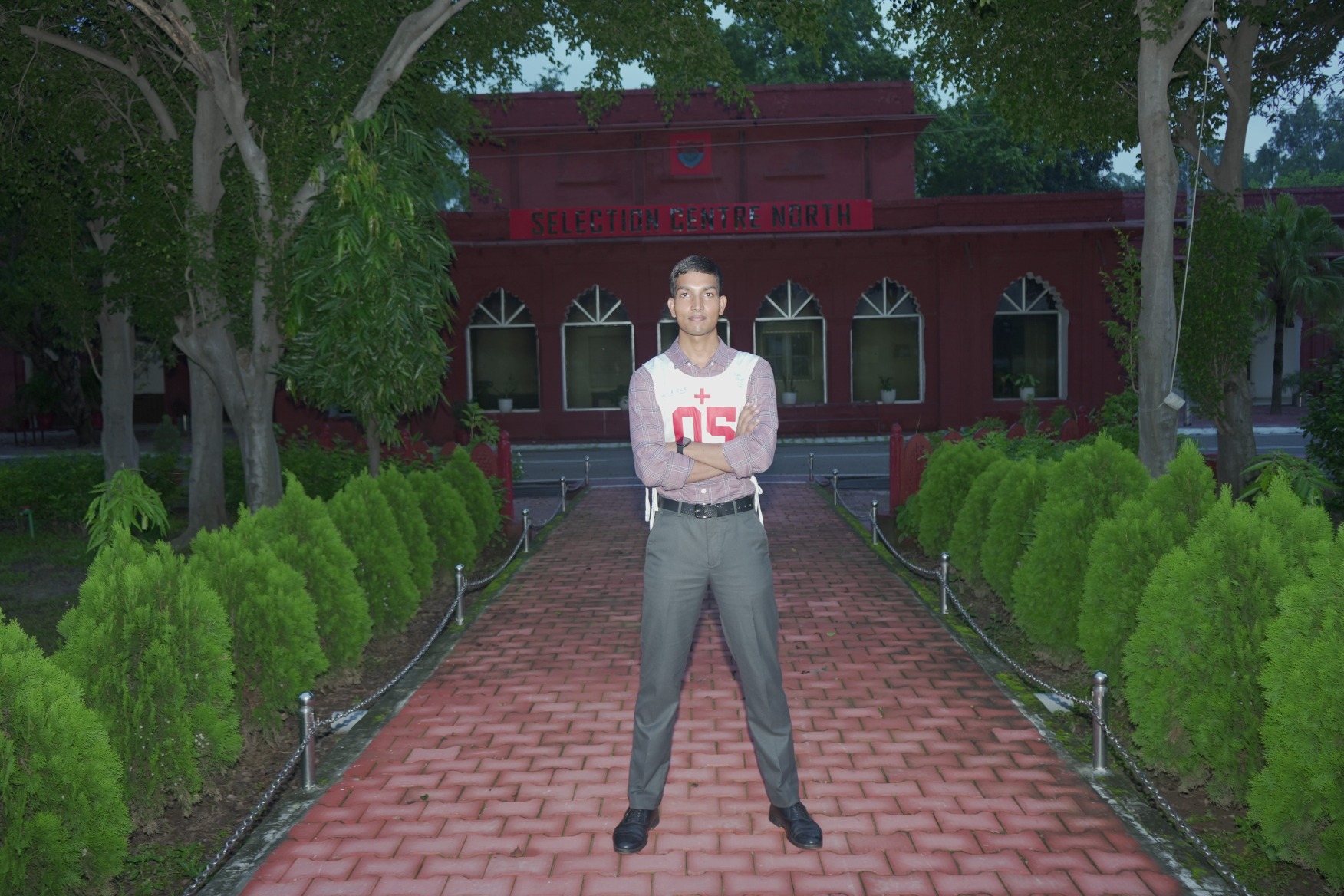
Fresh SSB batches start around the 1st & 15th of every month.
GD Topic: Today’s youth are often seen as less empathetic or less involved in helping others. In your opinion, what is the main reason goodwill among youth is declining?
Options:
a. Influence of Social Media
b. Upbringing and Family Values
c. Decline in Spiritual Outlook
Lead A: Influence of Social Media
Key Arguments:
- Self-Centric Culture: Platforms like Instagram and TikTok promote focus on individual achievements, lifestyle, and appearance — reducing interest in others' well-being.
- Validation Dependency: Youth often measure self-worth through likes and shares, making actions driven by attention rather than genuine goodwill.
- Desensitization: Constant exposure to tragedies (wars, poverty, disasters) in bite-sized content makes youth passive viewers, not active changemakers.
- Rise of Slacktivism: Sharing posts or changing profile pictures is seen as "enough," while real-life volunteering or service takes a back seat.
- FOMO & Comparison: Curated lives of others lead to anxiety, insecurity, and competition — leaving little emotional energy for empathy.
Supporting Example: During natural disasters, hashtags trend widely but fewer youth are seen contributing on-ground or donating meaningfully compared to the online buzz.
Lead B: Upbringing and Family Values
Key Arguments:
- Shift from Joint to Nuclear Families: Youth grow up in more isolated environments, reducing exposure to sharing, collective responsibility, and emotional depth.
- Busy or Detached Parenting: Working parents or reliance on gadgets often result in lack of emotional nurturing or moral grounding.
- Over-Emphasis on Competition: Children are raised to "achieve more," but not always taught to "serve more," shifting focus from contribution to comparison.
- Lack of Community Exposure: Limited involvement in social, religious, or cultural activities reduces opportunities to learn compassion through action.
- Inculcation of Materialism: Success is defined by possessions rather than service, leading to fading values of generosity and humility.
Supporting Example: In rural areas where families still follow traditional practices, youth are more inclined to help neighbours and respect elders compared to highly urbanised zones.
Lead C: Decline in Spiritual Outlook
Key Arguments:
- Spirituality = Compassion + Purpose: Earlier, youth were taught values through spiritual practices emphasizing selflessness, service, and mindfulness.
- Loss of Moral Compass: Without inner reflection, youth may act impulsively or selfishly, ignoring consequences of their actions on others.
- Rise of Materialism: In absence of spiritual depth, many pursue money, fame, or success without considering ethics or social impact.
- Erosion of Faith-Based Communities: Spiritual gatherings (satsangs, bhajan mandalis, meditation circles) that foster empathy and charity are now rare.
- No Tools for Self-Understanding: Practices like meditation or prayer helped develop emotional regulation, humility, and forgiveness — all vital for goodwill.
Supporting Example: Youth connected with spiritual organizations like ISKCON, Art of Living, or Vivekananda Kendra are often seen volunteering in large numbers during crises, as their spiritual training emphasizes service.
Conclusion (Opinion)
While each of the three reasons contributes in some way, the speaker must choose one based on belief system, observation, and personal experience. The key lies not only in identifying the problem but also in proposing solutions, such as:
- Encouraging responsible digital habits.
- Promoting value-based parenting.
- Incorporating spiritual wisdom into modern education.